(1)
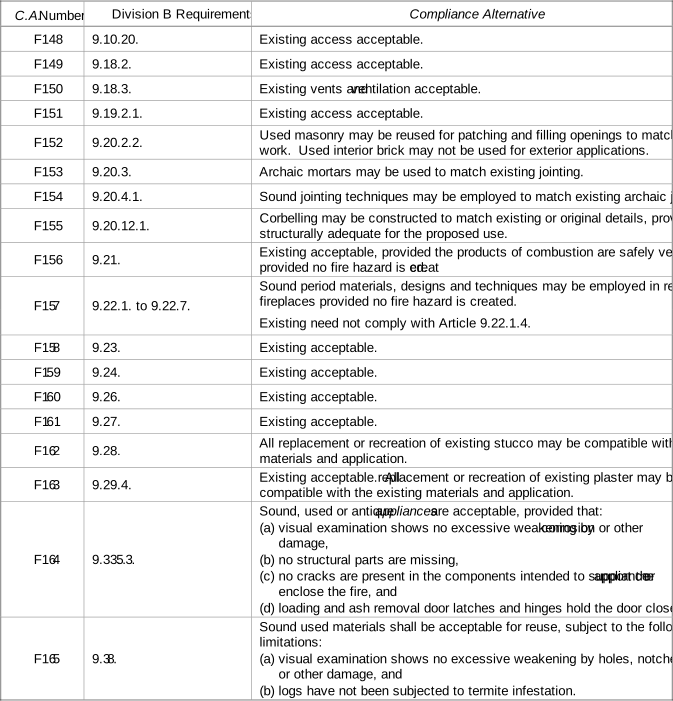
A compliance alternative shown in Table 11.5.1.1.-A, 11.5.1.1.-B, 11.5.1.1.-C, 11.5.1.1.-D/E or 11.5.1.1.-F may be substituted for a requirement contained in Part 3, 4, 6 or 8 where the chief building official is satisfied that compliance with the requirement is impracticable because,
(a)
of structural or construction difficulties, or
(b)
it is detrimental to the preservation of a heritage building.
(2)
A compliance alternative shown in Table 11.5.1.1.-A, 11.5.1.1.-B, 11.5.1.1.-C, 11.5.1.1.-D/E or 11.5.1.1.-F may be substituted for a requirement contained in Part 9 or 12 without satisfying the chief building official that compliance with the requirement is impracticable.
Table 11.2.1.1.-A
Construction Index
Forming Part of Sentence 11.2.1.1.(1)
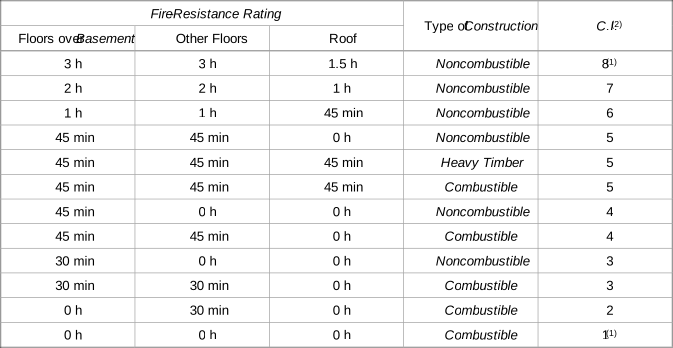
Notes to Table 11.2.1.1-.A:
(1) C.I. of 1 is lowest fire protection performance level and C.I. of 8 is highest.
(2) Take highest rating for C.I. from Table 11.2.1.1.-A for existing building.
Table 11.2.1.1.-B
Hazard Index
Forming Part of Sentences 11.2.1.1.(1) and (2)
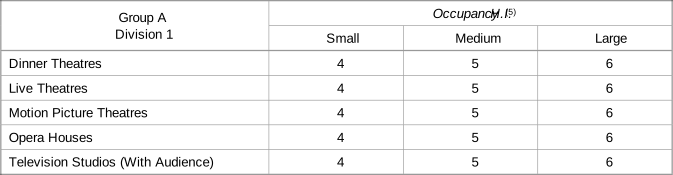
Notes to Table 11.2.1.1.-B:
(1)

(2) Sizes are based on building area and building height, unless noted.
(3) Building size is based on the existing building facing one street.
(4) For existing buildings facing multiple streets, see Sentence 11.2.1.1.(2) and Table 11.4.3.4.-A.
(5) Take lowest rating for H.I. from Table for major occupancy change.
(6) Building may have less than 40% of its area as 2 storeys for purposes as described in Clauses 3.2.2.21.(1)(c) and (d).
Table 11.2.1.1.-C
Hazard Index
Forming Part of Sentences 11.2.1.1.(1) and (2)
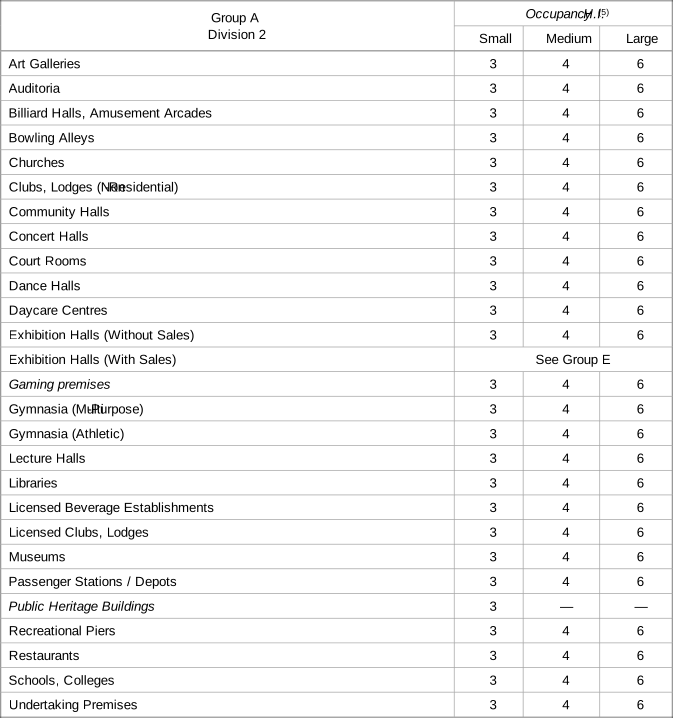
Notes to Table 11.2.1.1.-C:
(1)
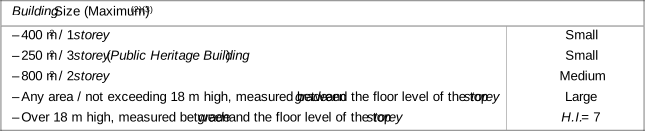
(2) Sizes are based on building area and building height, unless noted.
(3) Building size is based on the existing building facing one street.
(4) For existing buildings facing multiple streets, see Sentence 11.2.1.1.(2) and Table 11.4.3.4.-A.
(5) Take lowest rating for H.I. from Table for major occupancy change.
(6) Buildings which exceed 3 storeys in building height and are of combustible construction shall be sprinklered.
Table 11.2.1.1.-D
Hazard Index
Forming Part of Sentences 11.2.1.1.(1) and (2)
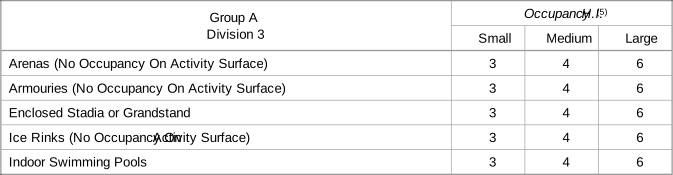
Notes to Table 11.2.1.1.-D:
(1)

(2) Sizes are based on building area and building height, unless noted.
(3) Building size is based on the existing building facing one street.
(4) For existing buildings facing multiple streets, see Sentence 11.2.1.1.(2) and Table 11.4.3.4.-A.
(5) Take lowest rating for H.I. from Table for major occupancy change.
Table 11.2.1.1.-E
Hazard Index
Forming Part of Sentences 11.2.1.1.(1) and (2)
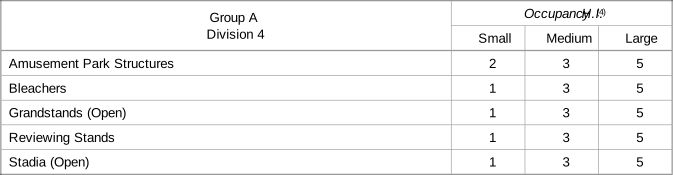
Notes to Table 11.2.1.1.-E:
(1)

(2) Building size is based on the existing building facing one street.
(3) For existing buildings facing multiple streets, see Sentence 11.2.1.1.(2) and Table 11.4.3.4.-A.
(4) Take lowest rating for H.I. from Table for major occupancy change.
Table 11.2.1.1.-F
Hazard Index
Forming Part of Sentences 11.2.1.1.(1) and (2)

Notes to Table 11.2.1.1.-F:
(1)

(2) Sizes are based on building area and building height, unless noted.
(3) When the size of a building falls into more than one category, the H.I. for the least restrictive is permitted to be used.
(4) Minimum security means occupants free to exit building in a fire emergency.
(5) Detention occupancy with any H.I. shall be sprinklered.
Table 11.2.1.1.-G
Hazard Index
Forming Part of Sentences 11.2.1.1.(1) and (2)
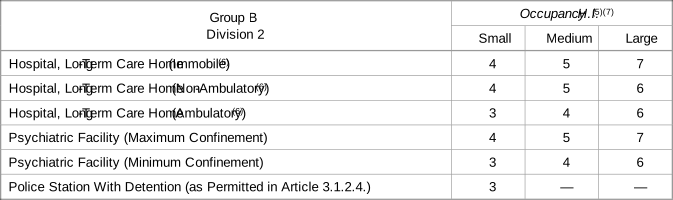
Notes to Table 11.2.1.1.-G:
(1)

(2) Sizes are based on building area and building height, unless noted.
(3) Building size is based on the existing building facing one street.
(4) For existing buildings facing multiple streets, see Sentence 11.2.1.1.(2) and Table 11.4.3.4.-A.
(5) When the size of a building falls into more than one category, the H.I. for the least restrictive is permitted to be used.
(6) Immobile means patients are attached to life support systems and cannot be moved. Non-Ambulatory means patients are confined to bed and require transportation. Ambulatory means patients may walk on their own.
(7) Care and treatment occupancy with any H.I. shall be sprinklered.
Table 11.2.1.1.-H
Hazard Index
Forming Part of Sentences 11.2.1.1.(1) and (2)
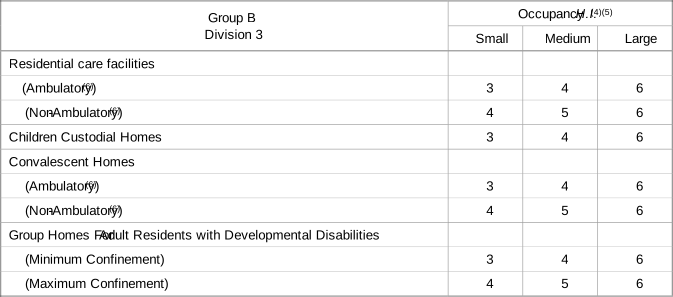
Notes to Table 11.2.1.1.-H:
(1)

(2) Sizes are based on building area and building height, unless noted.
(3) Building size is based on the existing building facing one street.
(4) When the size of a building falls into more than one category, the H.I. for the least restrictive is permitted to be used.
(5) Care occupancy with any H.I. shall be sprinklered.
(6) Non-Ambulatory means patients are confined to bed and require transportation. Ambulatory means patients may walk on their own.
Table 11.2.1.1.-I
Hazard Index
Forming Part of Sentences 11.2.1.1.(1) and (2)
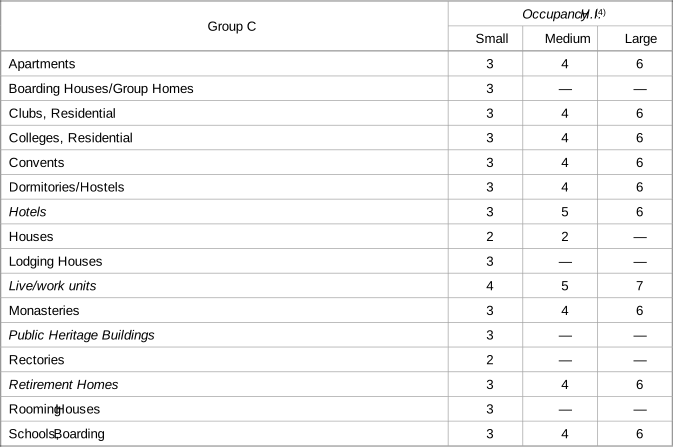
Notes to Table 11.2.1.1.-I:
(1)

(2) Sizes are based on building area and building height, unless noted.
(3) Buildings which exceed 3 storeys in building height and are of combustible construction shall be sprinklered.
(4) Take lowest rating for H.I. from Table for major occupancy change.
Table 11.2.1.1.-J
Hazard Index
Forming Part of Sentences 11.2.1.1.(1) and (2)
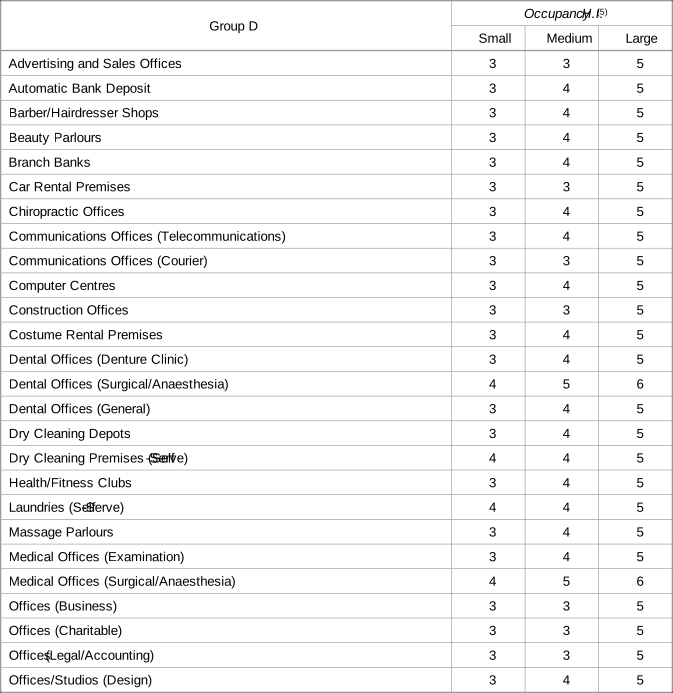
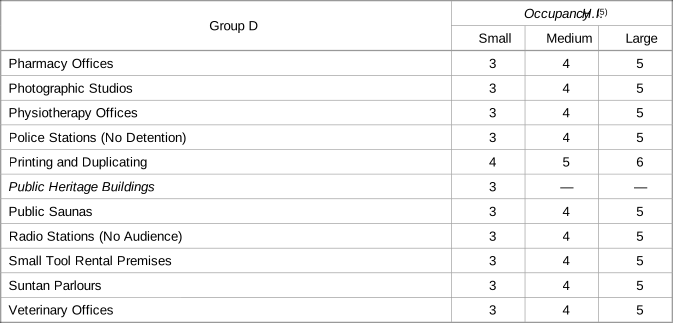
Notes to Table 11.2.1.1.-J: 1)
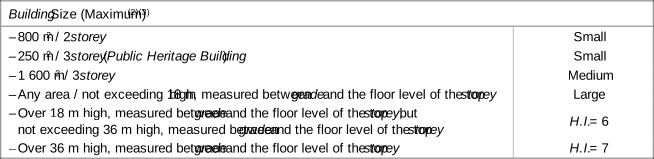
(2) Sizes are based on building area and building height, unless noted.
(3) Building size is based on the existing building facing one street.
(4) For existing buildings facing multiple streets, see Sentence 11.2.1.1.(2) and Table 11.4.3.4.-A.
(5) When the size of a building falls into more than one category, the H.I. for the least restrictive is permitted to be used.
(6) Buildings which exceed 3 storeys in building height and are of combustible construction shall be sprinklered.
Table 11.2.1.1.-K
Hazard Index
Forming Part of Sentences 11.2.1.1.(1) and (2)
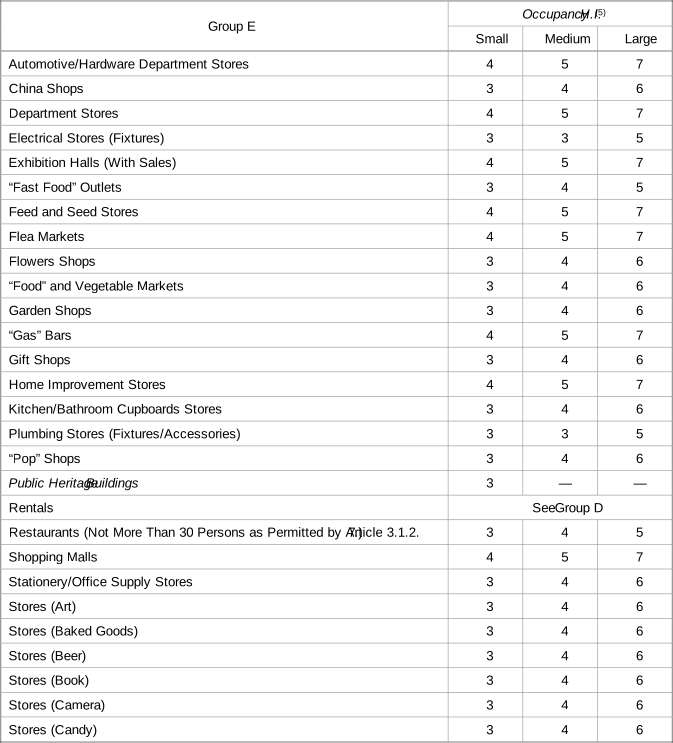
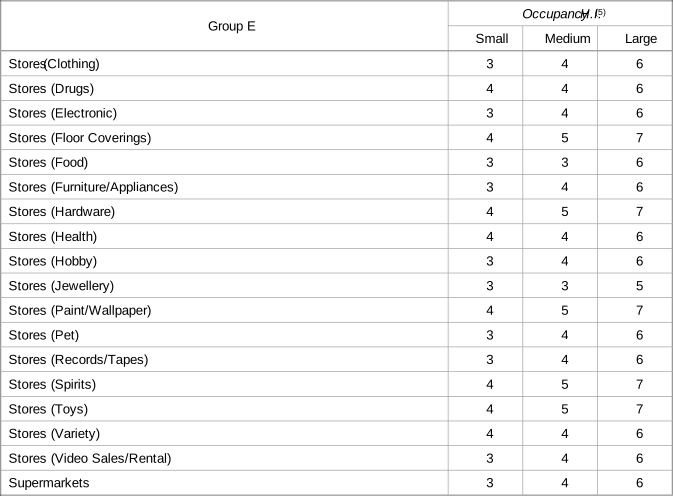
Notes to Table 11.2.1.1.-K:
(1)

(2) Sizes are based on building area and building height, unless noted.
(3) Building size is based on the existing building facing one street.
(4) For existing buildings facing multiple streets, see Sentence 11.2.1.1.(2) and Table 11.4.3.4.-A.
(5) When the size of a building falls into more than one category, the H.I. for the least restrictive is permitted to be used.
(6) All buildings 1 500 m
Table 11.2.1.1.-L
Hazard Index
Forming Part of Sentences 11.2.1.1.(1) and (2)
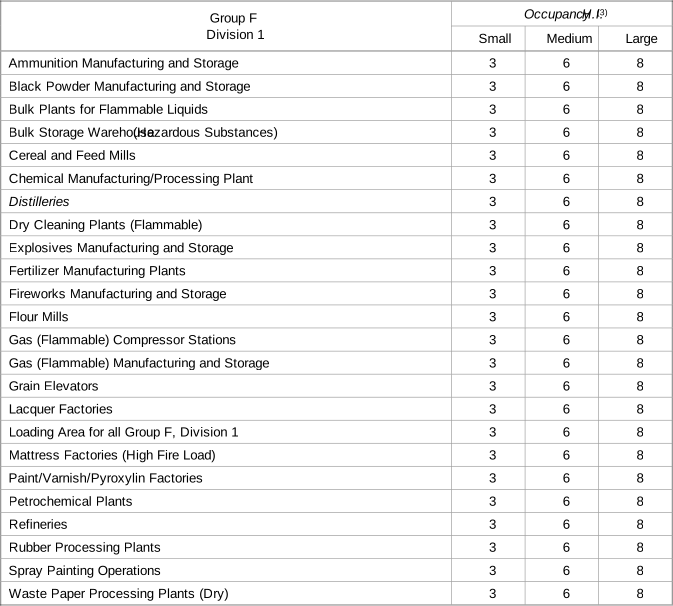
Notes to Table 11.2.1.1.-L:
(1)

(2) Sizes are based on building area and building height.
(3) When the size of a building falls into more than one category, the H.I. for the least restrictive is permitted to be used.
(4) All buildings 1 500 m
(5) All floor assemblies shall be fire separations.
Table 11.2.1.1.-M
Hazard Index
Forming Part of Sentences 11.2.1.1.(1) and (2)
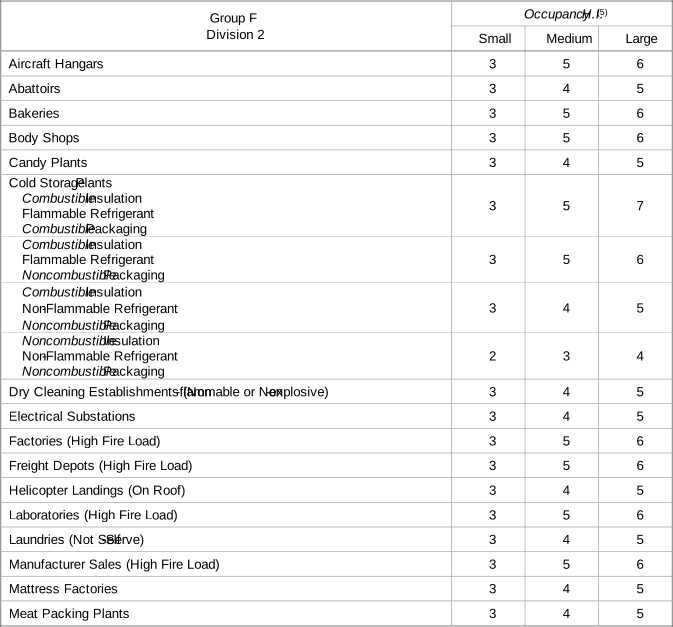
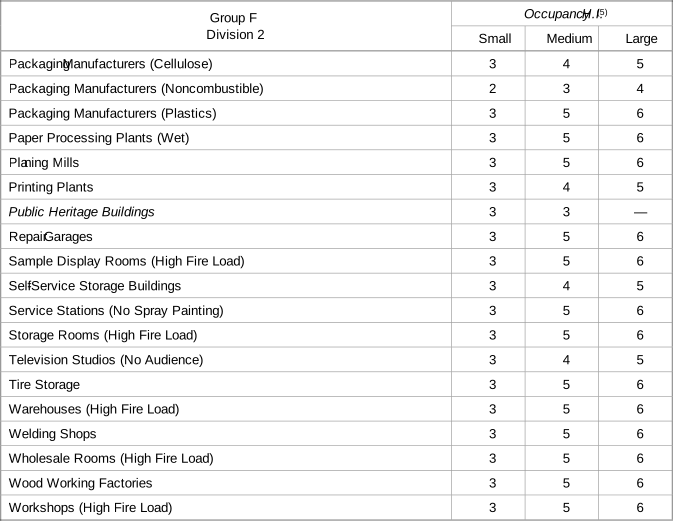
Notes to Table 11.2.1.1.-M:
(1) Building Size (Maximum)
(2) Sizes are based on building area and building height, unless noted.
(3) Building size is based on the existing building facing one street.
(4) For existing buildings facing multiple streets, see Sentence 11.2.1.1.(2) and Table 11.4.3.4.-A.
(5) When the size of a building falls into more than one category, the H.I. for the least restrictive is permitted to be used.
(6) All buildings 1 500 m
Table 11.2.1.1.-N
Hazard Index
Forming Part of Sentences 11.2.1.1.(1) and (2)
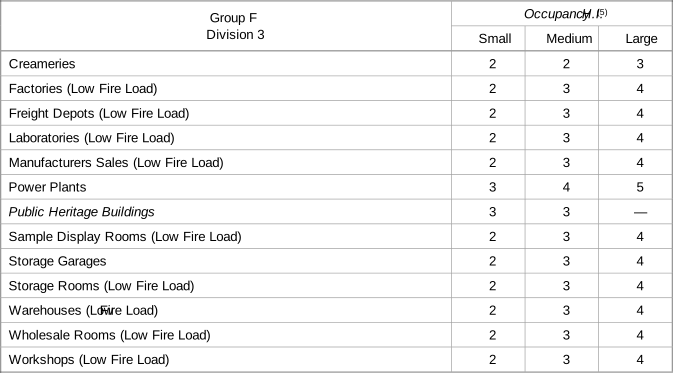
Notes to Table 11.2.1.1.-N: 1)
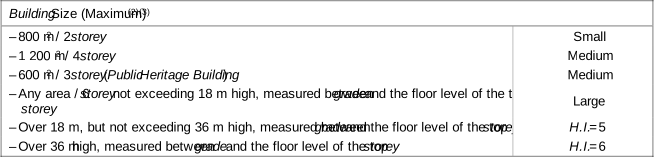
(2) Sizes are based on building area and building height, unless noted.
(3) Building size is based on the existing building facing one street.
(4) For existing buildings facing multiple streets, see Sentence 11.2.1.1.(2) and Table 11.4.3.4.-A.
(5) When the size of a building falls into more than one category, the H.I. for the least restrictive is permitted to be used.
Table 11.4.3.3.
For Evaluation and Upgrading of Early Warning/Evacuation
Forming Part of Sentences 11.4.3.3.(1) and 11.4.3.4.(3)
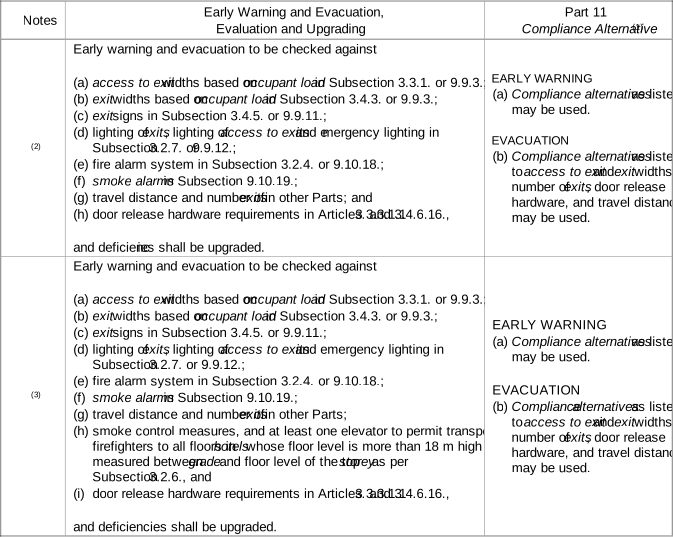
Notes to Table 11.4.3.3.:
(1) See Tables 11.5.1.1.-A to 11.5.1.1.-F for compliance alternatives that may be used.
(2) Applies to change of major occupancy to one of equal or lesser hazard, and to increase in occupant load by 15% or less.
(3) Applies to change of major occupancy to one of greater hazard, and to increase in occupant load greater than 15%.
Table 11.4.3.4.-A
Additional Upgrading
Forming Part of Sentences 11.2.1.1.(2) and 11.4.3.4.(1)
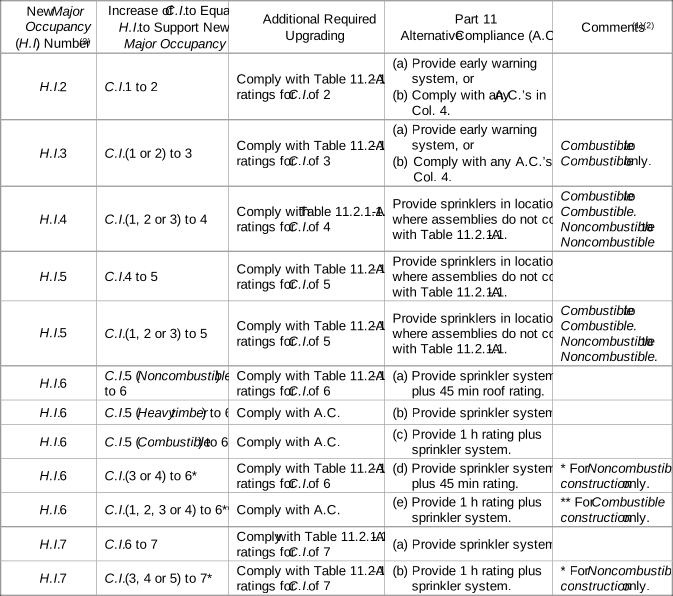
Table 11.4.3.4.-A
Additional Upgrading
Forming Part of Sentences 11.2.1.1.(2) and 11.4.3.4.(1)
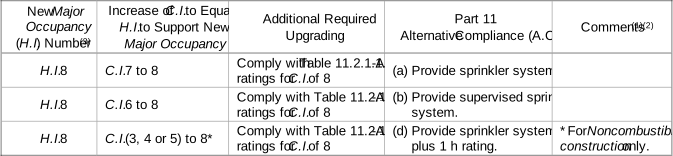
Notes to Table 11.4.3.4.A.:
(1) One asterisk (*) refers to noncombustible construction.
(2) Two asterisks (**) refers to combustible construction.
(3) Group B, occupancy with any H.I. shall be sprinklered.
Table 11.4.3.4.-B
Additional Upgrading for Multiple Major Occupancies
Forming Part of Sentences 11.4.2.3.(4) and 11.4.3.4.(4)
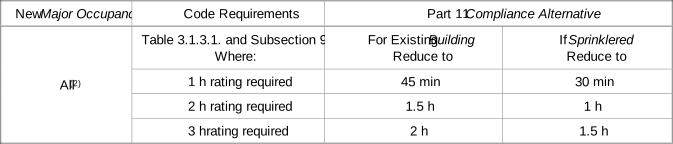
Notes to Table 11.4.3.4.B.:
(1) For buildings with multiple major occupancies only, where there is a change in major occupancy.
(2) See Section 11.4.
Table 11.5.1.1.-A
Compliance Alternatives for Assembly Occupancies
Forming Part of Article 11.5.1.1.
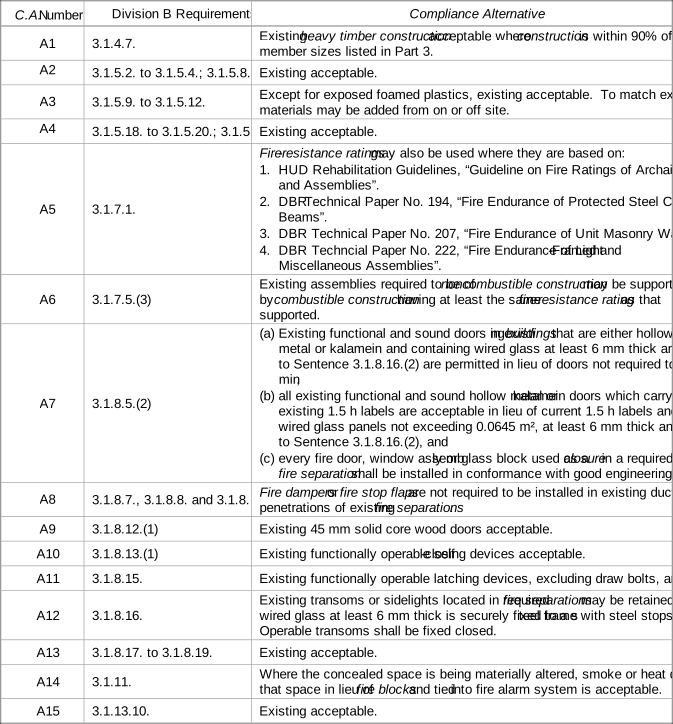
Table 11.5.1.1.-A
Compliance Alternatives for Assembly Occupancies
Forming Part of Article 11.5.1.1.
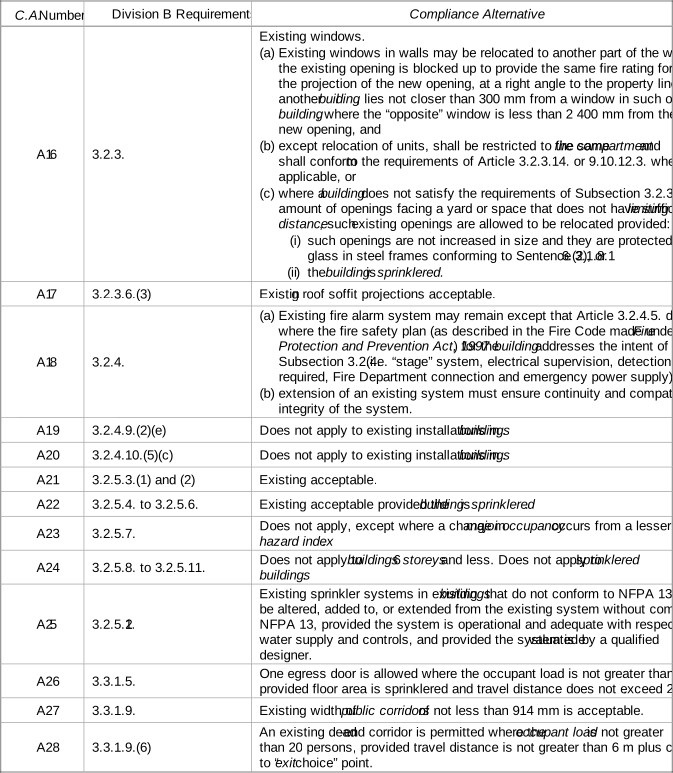
Table 11.5.1.1.-A
Compliance Alternatives for Assembly Occupancies
Forming Part of Article 11.5.1.1.
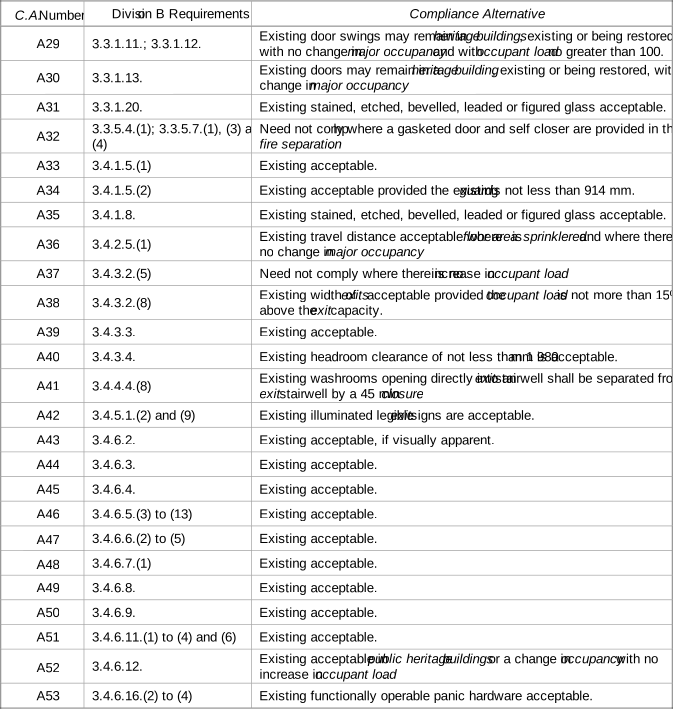
Table 11.5.1.1.-A
Compliance Alternatives for Assembly Occupancies
Forming Part of Article 11.5.1.1.
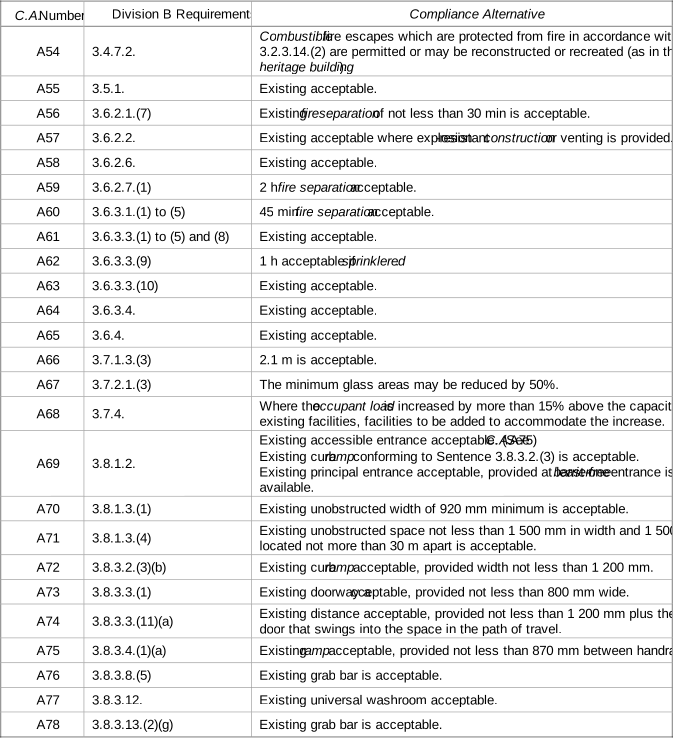
Table 11.5.1.1.-A
Compliance Alternatives for Assembly Occupancies
Forming Part of Article 11.5.1.1.
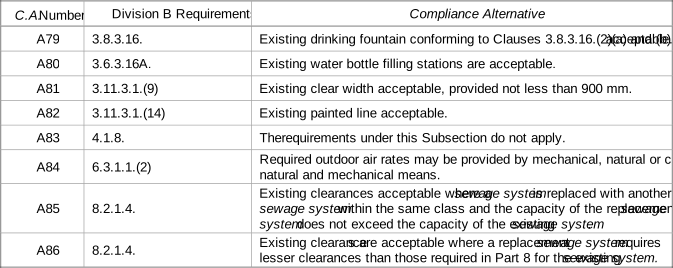
Table 11.5.1.1.-B
Compliance Alternatives for Care, Care and Treatment or Detention Occupancies
Forming Part of Article 11.5.1.1.
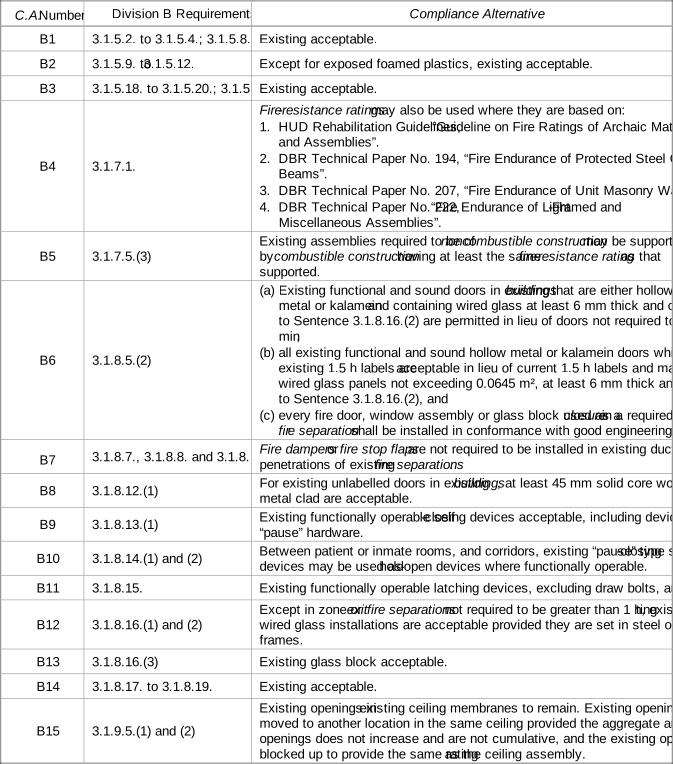
Table 11.5.1.1.-B
Compliance Alternatives for Care, Care and Treatment or Detention Occupancies
Forming Part of Article 11.5.1.1.
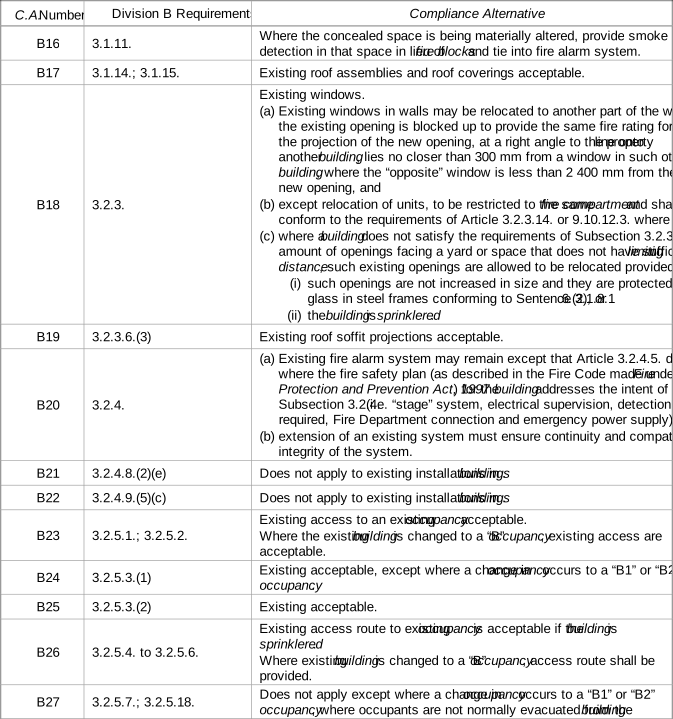
Table 11.5.1.1.-B
Compliance Alternatives for Care, Care and Treatment or Detention Occupancies
Forming Part of Article 11.5.1.1.
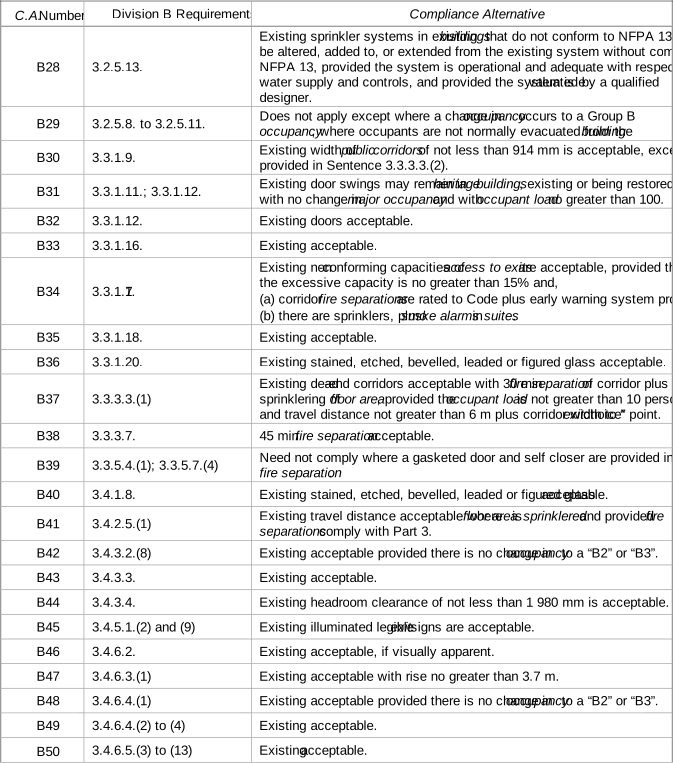
Table 11.5.1.1.-B
Compliance Alternatives for Care, Care and Treatment or Detention Occupancies
Forming Part of Article 11.5.1.1.
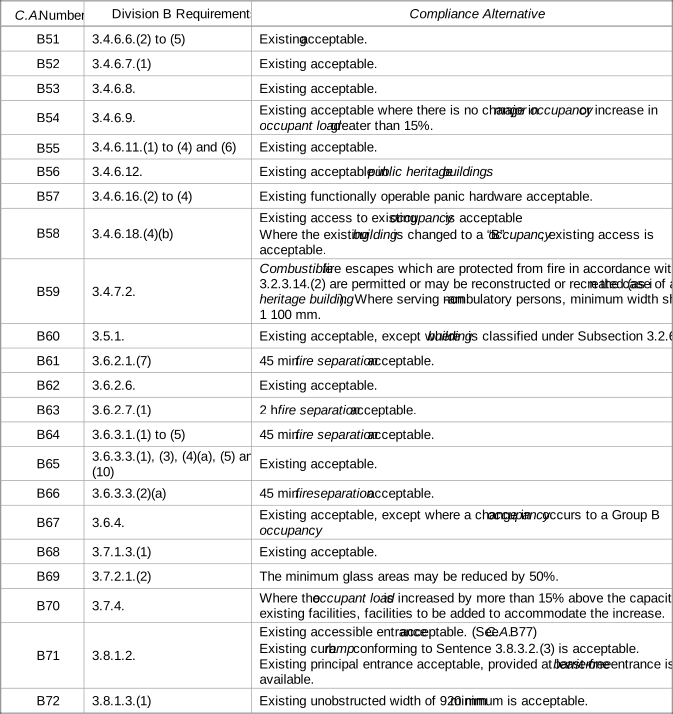
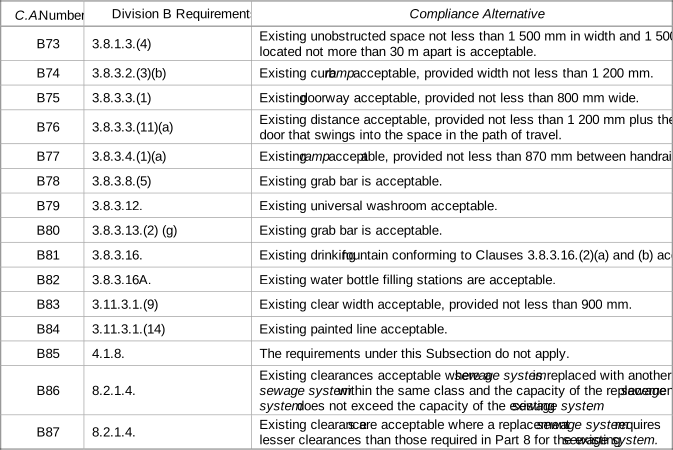
Table 11.5.1.1.-C
Compliance Alternatives for Residential Occupancies
Forming Part of Article 11.5.1.1.
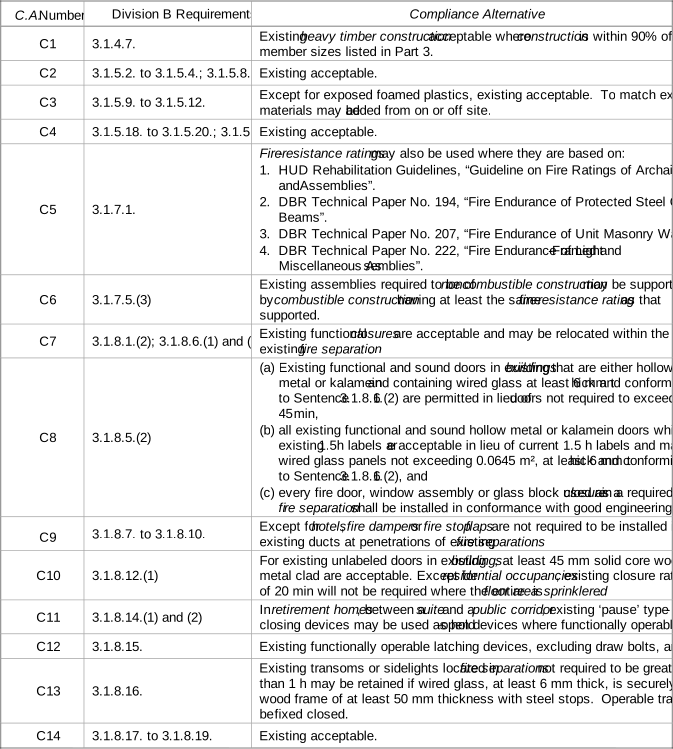
Table 11.5.1.1.-C
Compliance Alternatives for Residential Occupancies
Forming Part of Article 11.5.1.1.
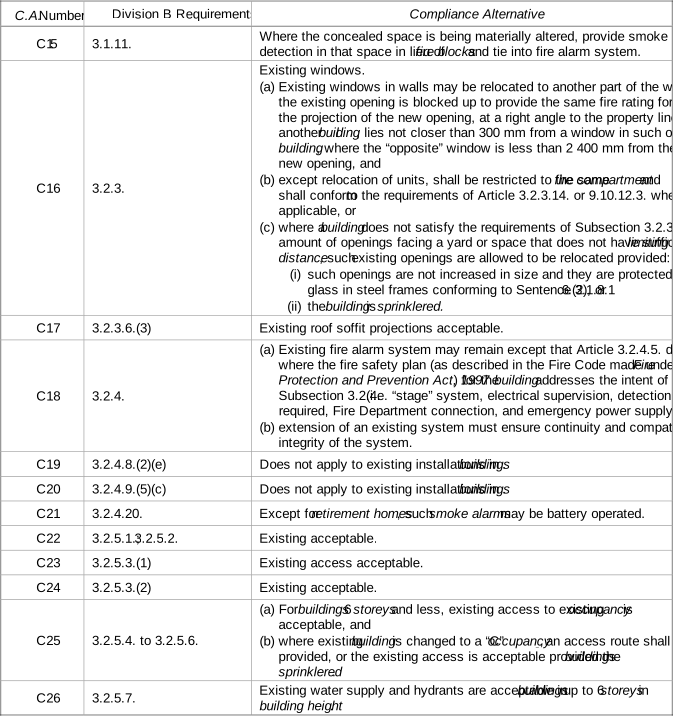
Table 11.5.1.1.-C
Compliance Alternatives for Residential Occupancies
Forming Part of Article 11.5.1.1.
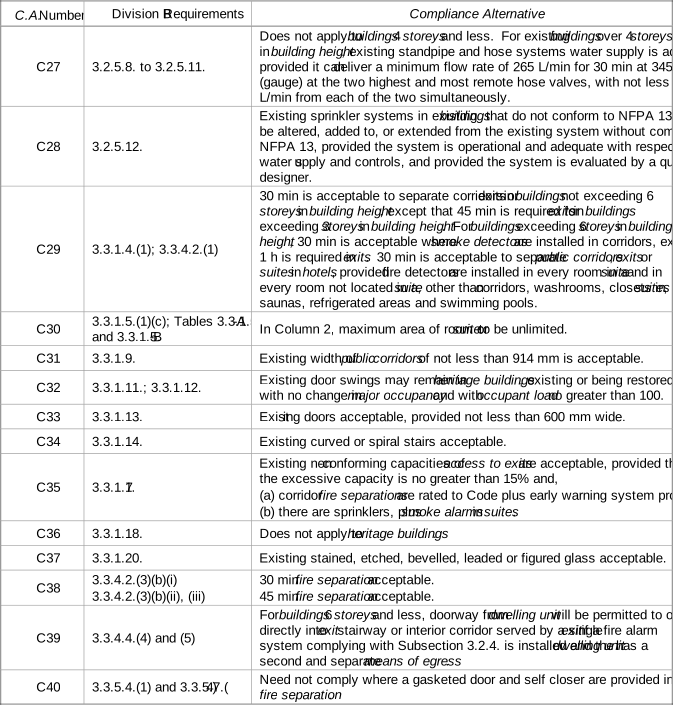
Table 11.5.1.1.-C
Compliance Alternatives for Residential Occupancies
Forming Part of Article 11.5.1.1.
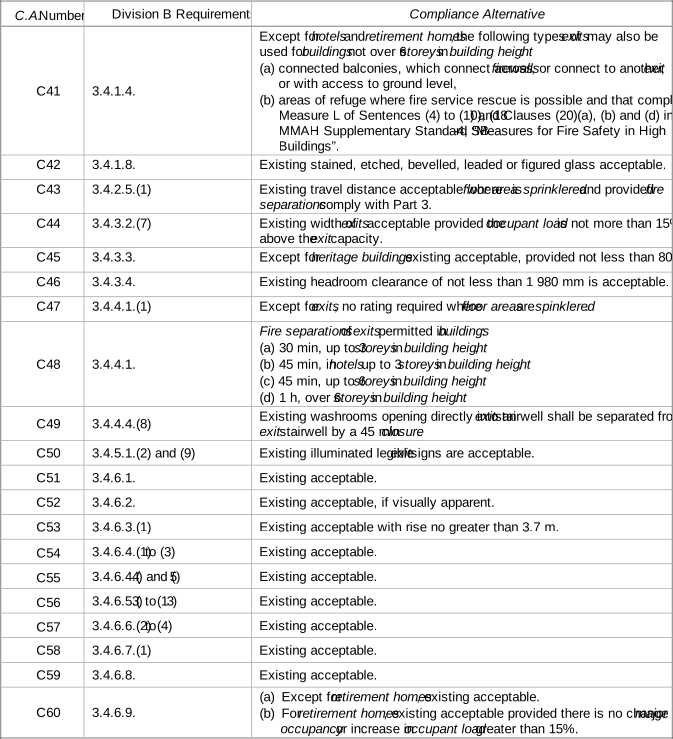
Table 11.5.1.1.-C
Compliance Alternatives for Residential Occupancies
Forming Part of Article 11.5.1.1.
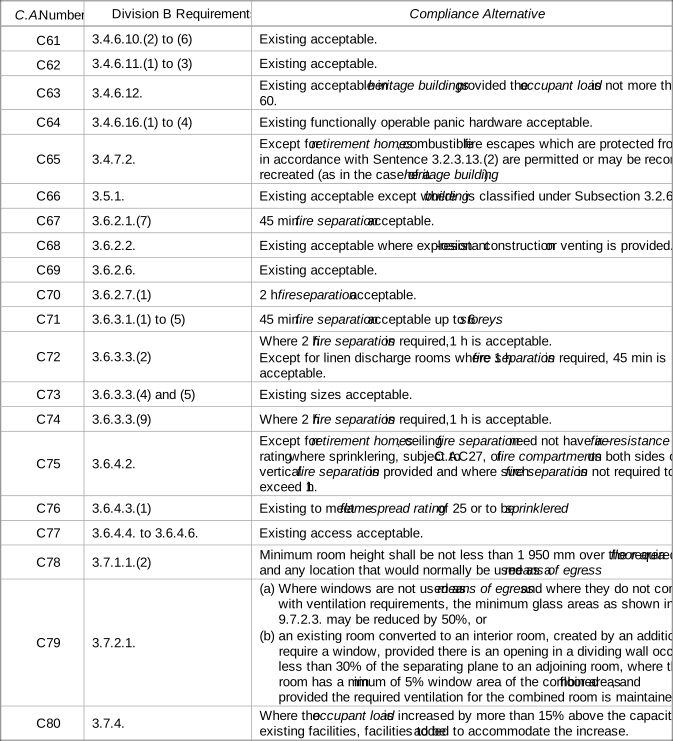
Table 11.5.1.1.-C
Compliance Alternatives for Residential Occupancies
Forming Part of Article 11.5.1.1.
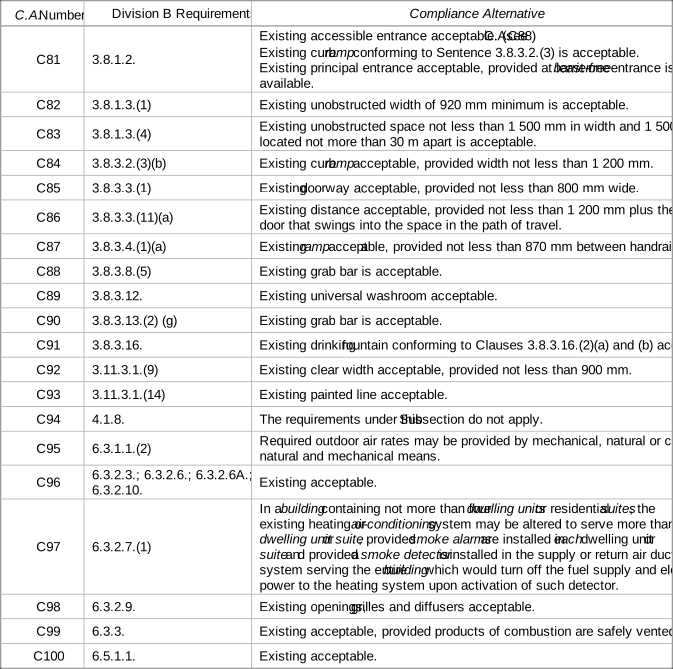
Table 11.5.1.1.-C
Compliance Alternatives for Residential Occupancies
Forming Part of Article 11.5.1.1.
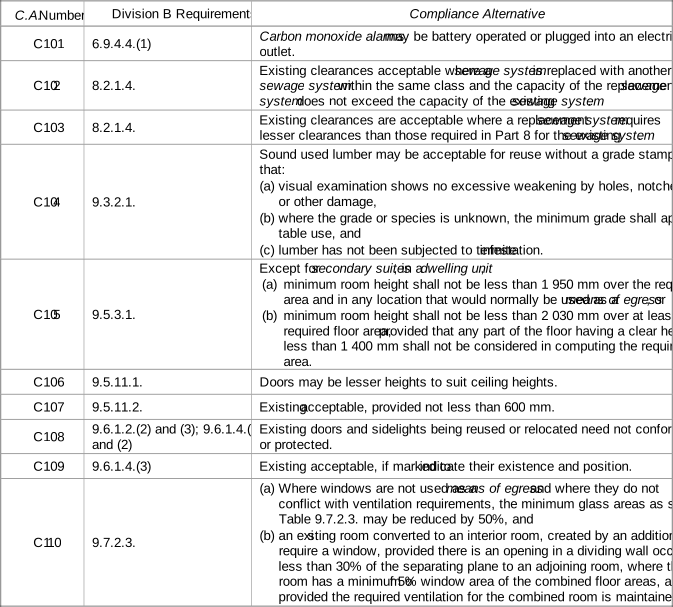
Table 11.5.1.1.-C
Compliance Alternatives for Residential Occupancies
Forming Part of Article 11.5.1.1.
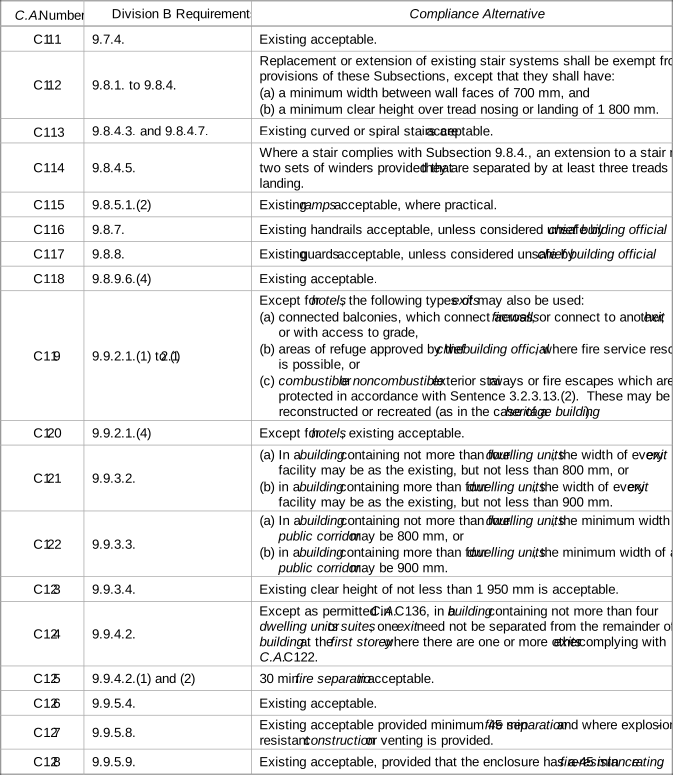
Table 11.5.1.1.-C
Compliance Alternatives for Residential Occupancies
Forming Part of Article 11.5.1.1.
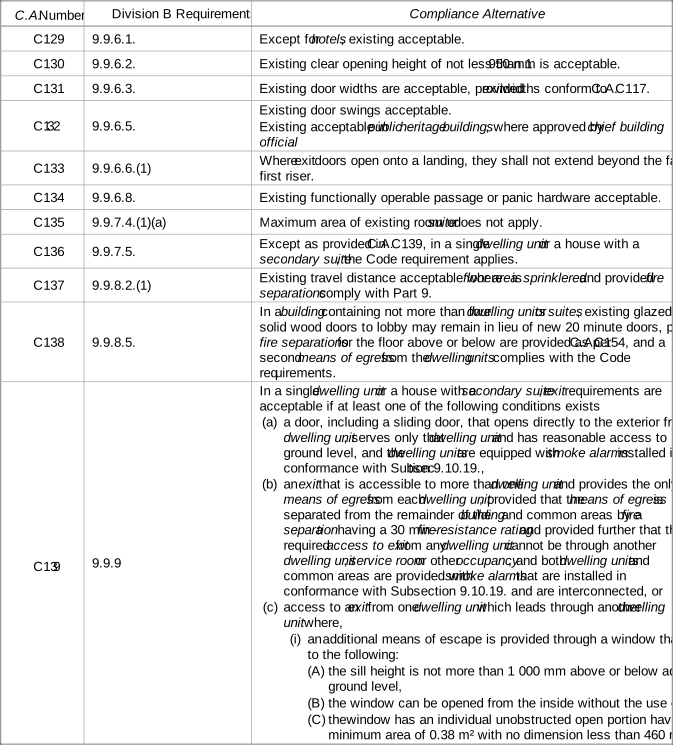
Table 11.5.1.1.-C
Compliance Alternatives for Residential Occupancies
Forming Part of Article 11.5.1.1.
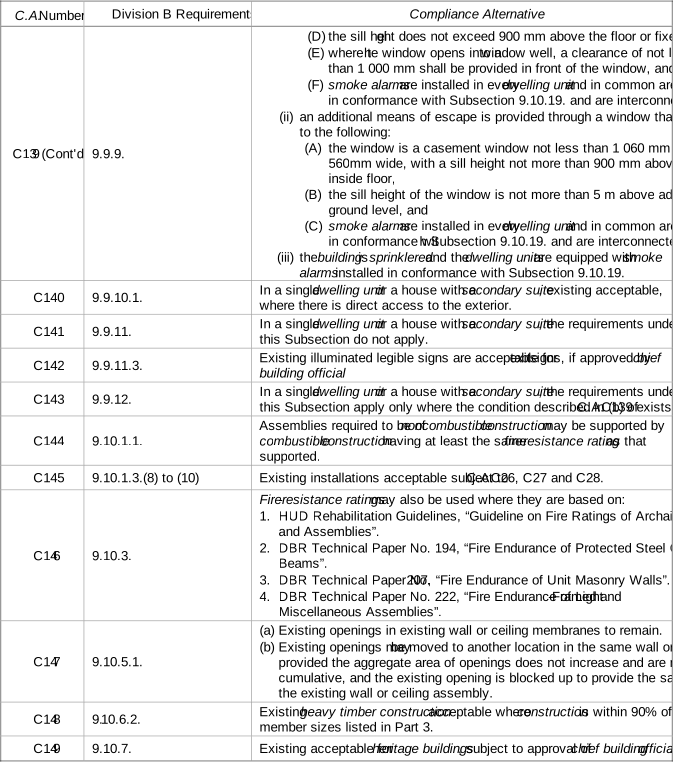
Table 11.5.1.1.-C
Compliance Alternatives for Residential Occupancies
Forming Part of Article 11.5.1.1.
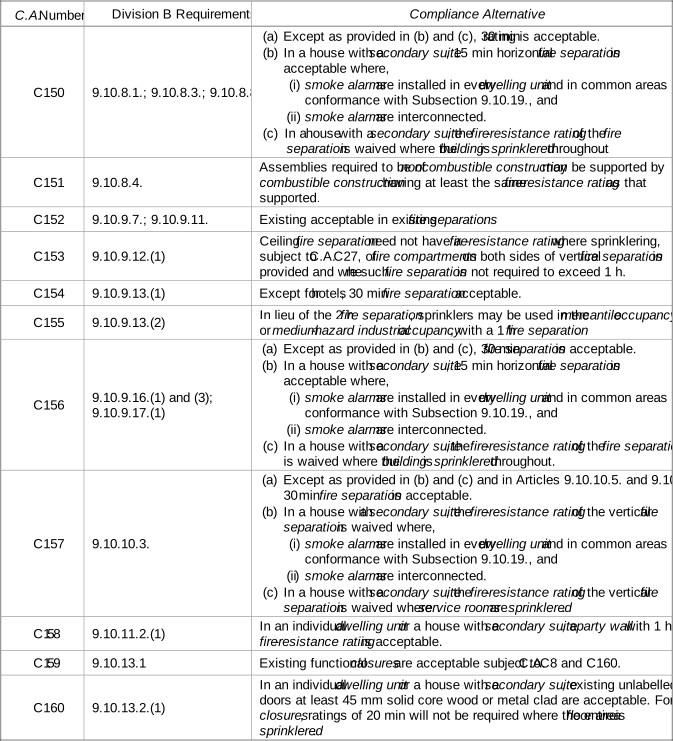
Table 11.5.1.1.-C
Compliance Alternatives for Residential Occupancies
Forming Part of Article 11.5.1.1.
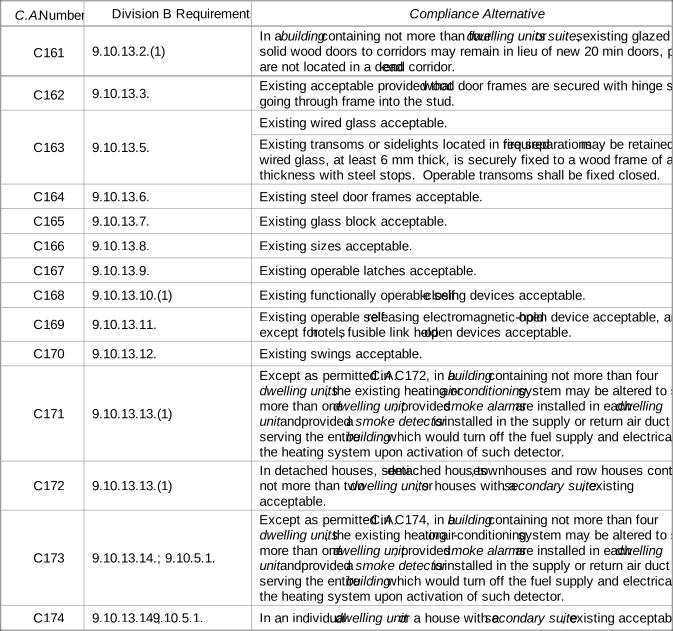
Table 11.5.1.1.-C
Compliance Alternatives for Residential Occupancies
Forming Part of Article 11.5.1.1.
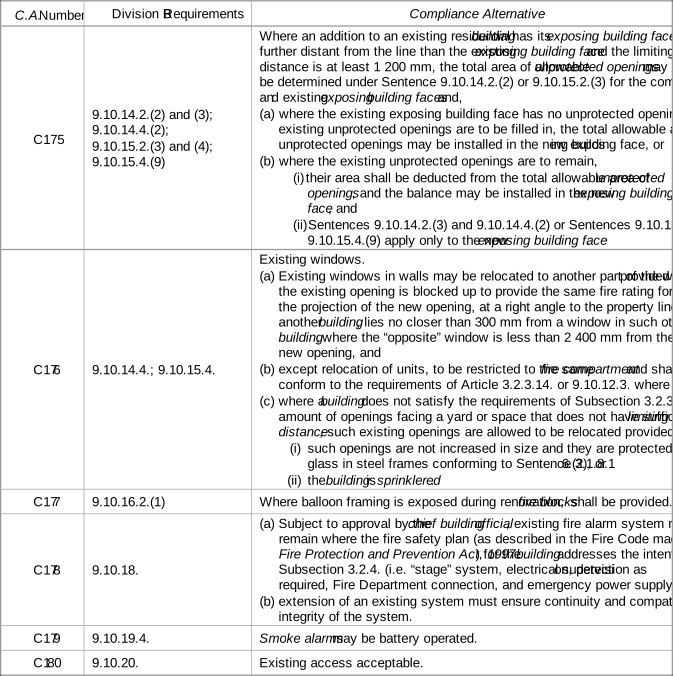
Table 11.5.1.1.-C
Compliance Alternatives for Residential Occupancies
Forming Part of Article 11.5.1.1.
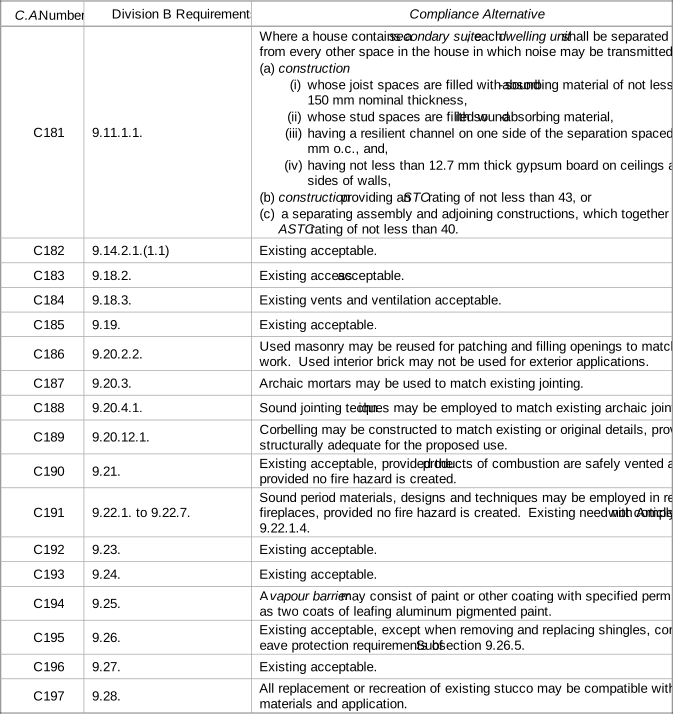
Table 11.5.1.1.-C
Compliance Alternatives for Residential Occupancies
Forming Part of Article 11.5.1.1.
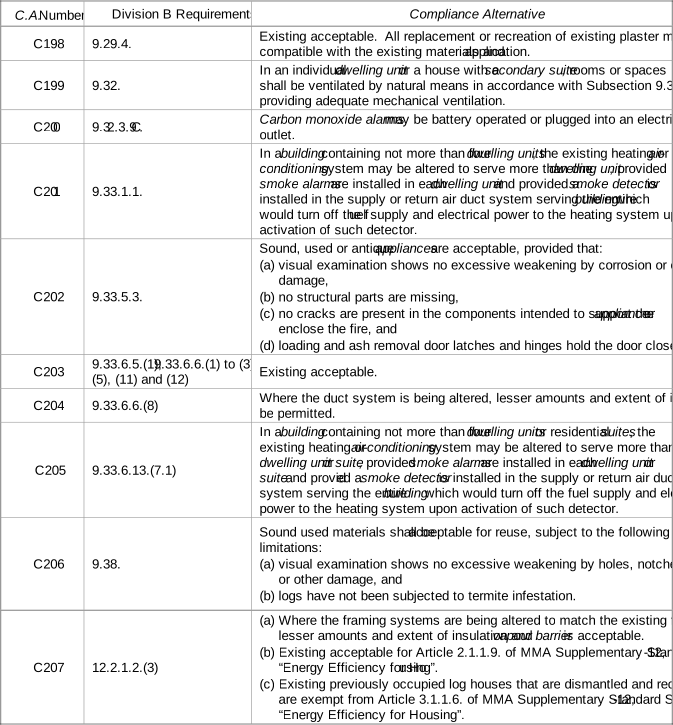
Table 11.5.1.1.-D
Compliance Alternatives for Business/Mercantile Occupancies
Forming Part of Article 11.5.1.1.
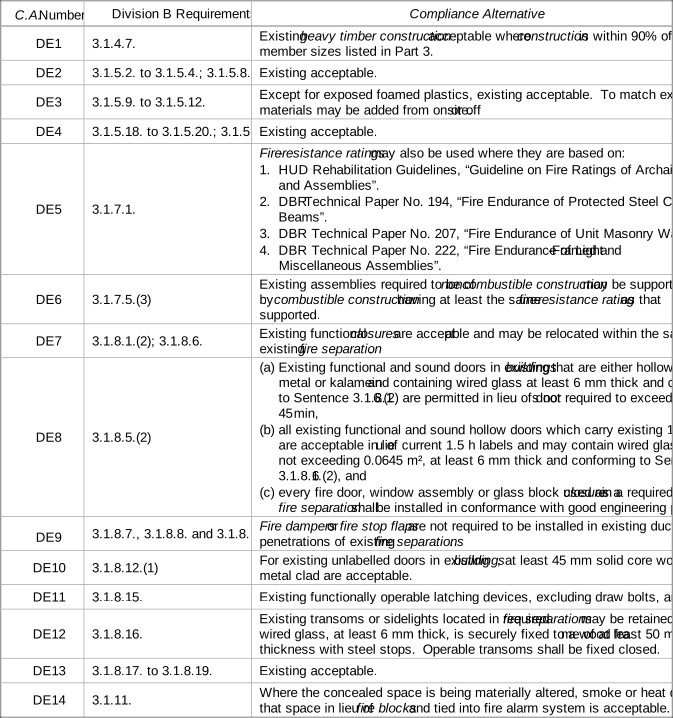
Table 11.5.1.1.-D
Compliance Alternatives for Business/Mercantile Occupancies
Forming Part of Article 11.5.1.1.
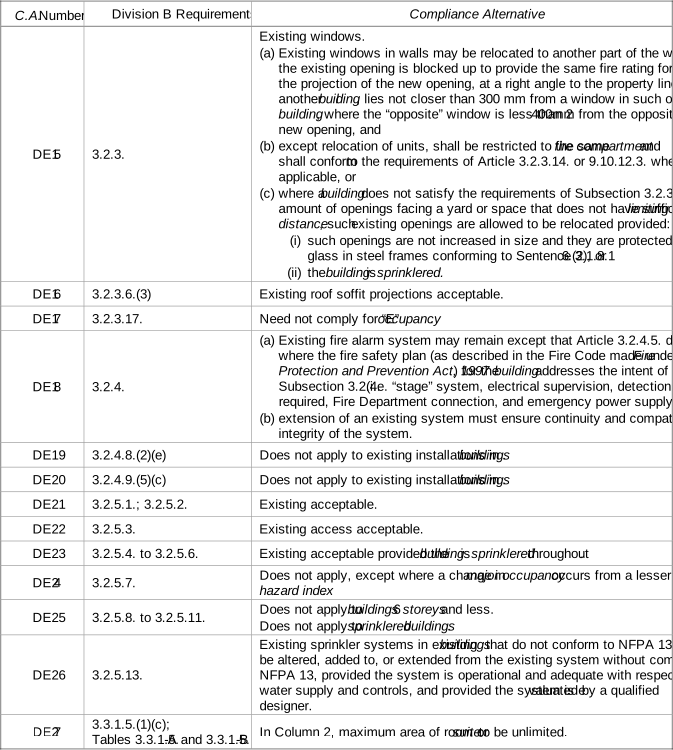
Table 11.5.1.1.-D
Compliance Alternatives for Business/Mercantile Occupancies
Forming Part of Article 11.5.1.1.
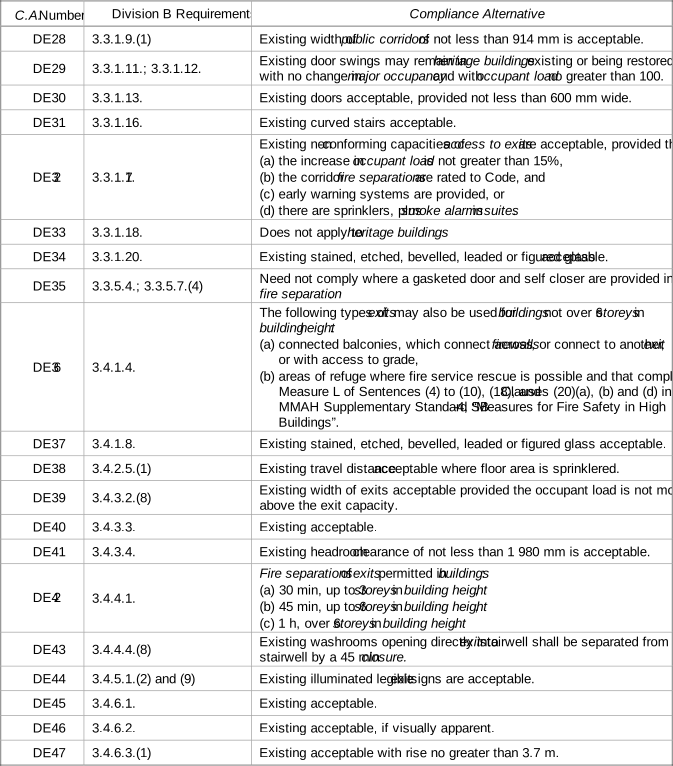
Table 11.5.1.1.-D
Compliance Alternatives for Business/Mercantile Occupancies
Forming Part of Article 11.5.1.1.
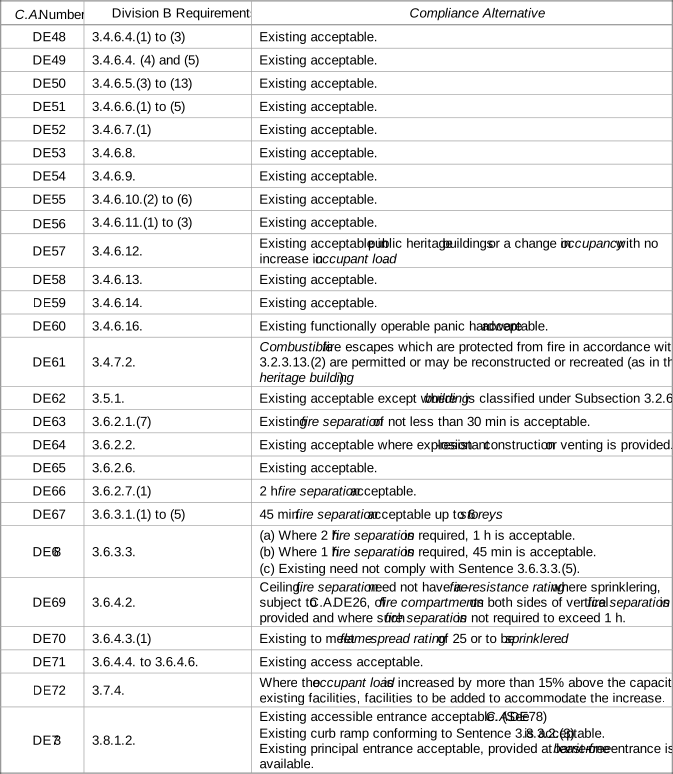
Table 11.5.1.1.-D
Compliance Alternatives for Business/Mercantile Occupancies
Forming Part of Article 11.5.1.1.
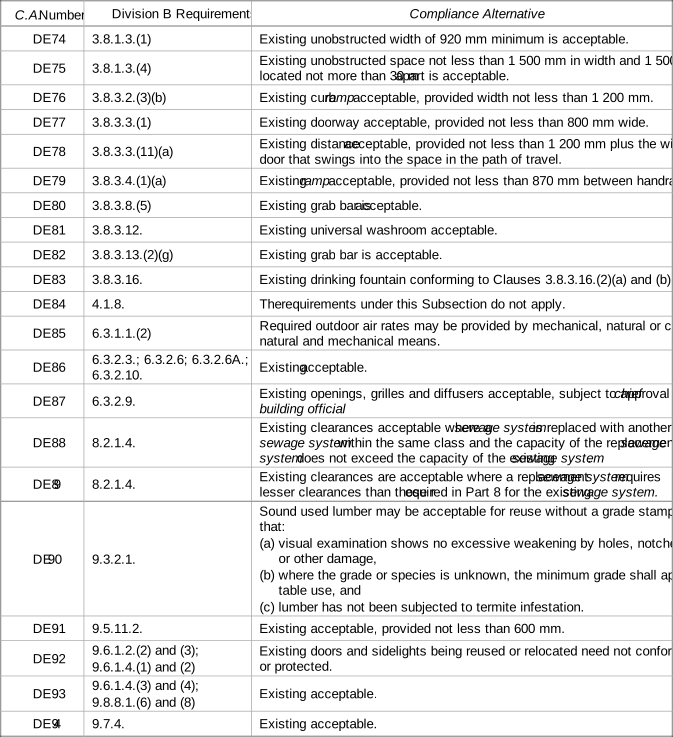
Table 11.5.1.1.-D
Compliance Alternatives for Business/Mercantile Occupancies
Forming Part of Article 11.5.1.1.
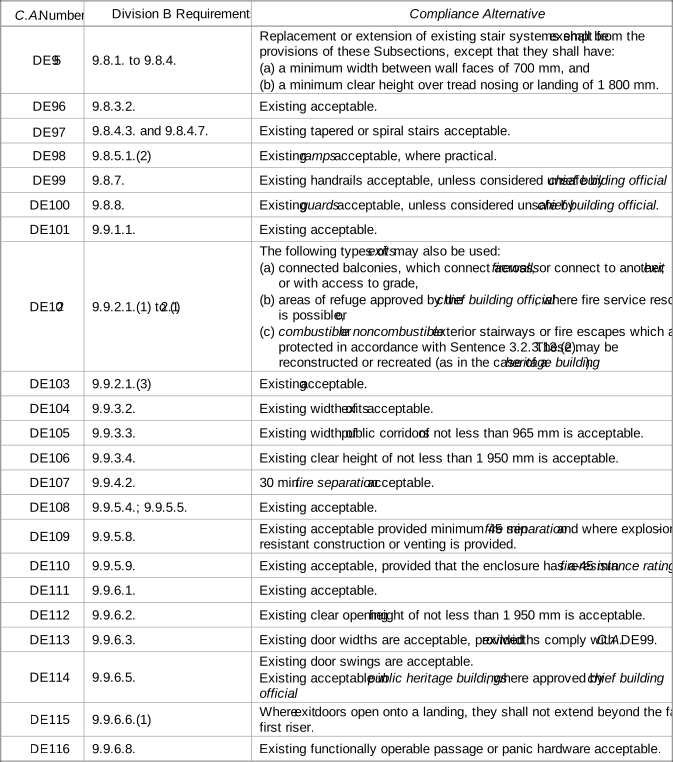
Table 11.5.1.1.-D
Compliance Alternatives for Business/Mercantile Occupancies
Forming Part of Article 11.5.1.1.
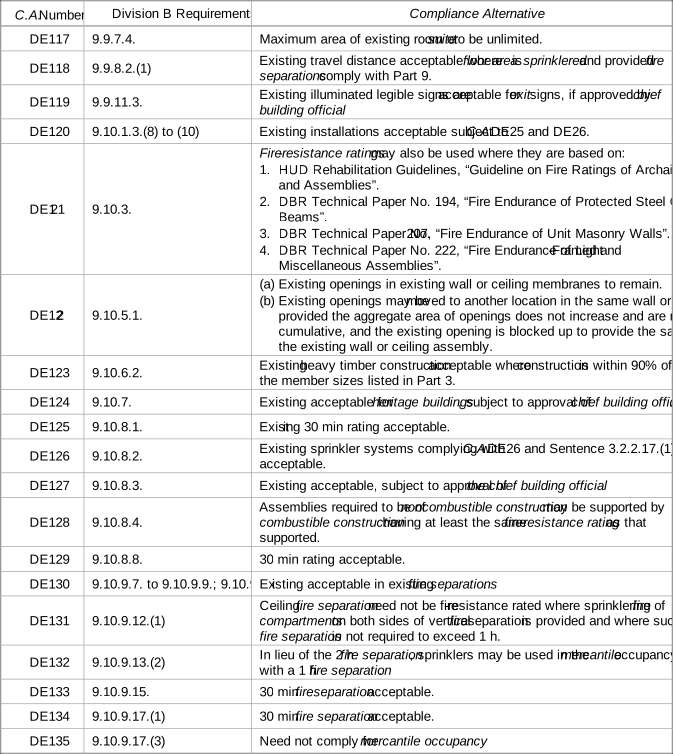
Table 11.5.1.1.-D
Compliance Alternatives for Business/Mercantile Occupancies
Forming Part of Article 11.5.1.1.
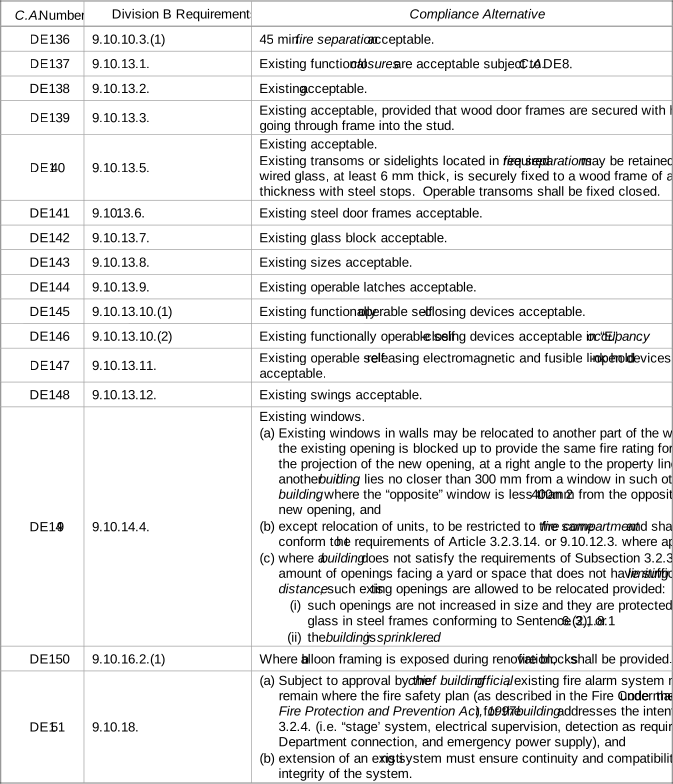
Table 11.5.1.1.-D
Compliance Alternatives for Business/Mercantile Occupancies
Forming Part of Article 11.5.1.1.
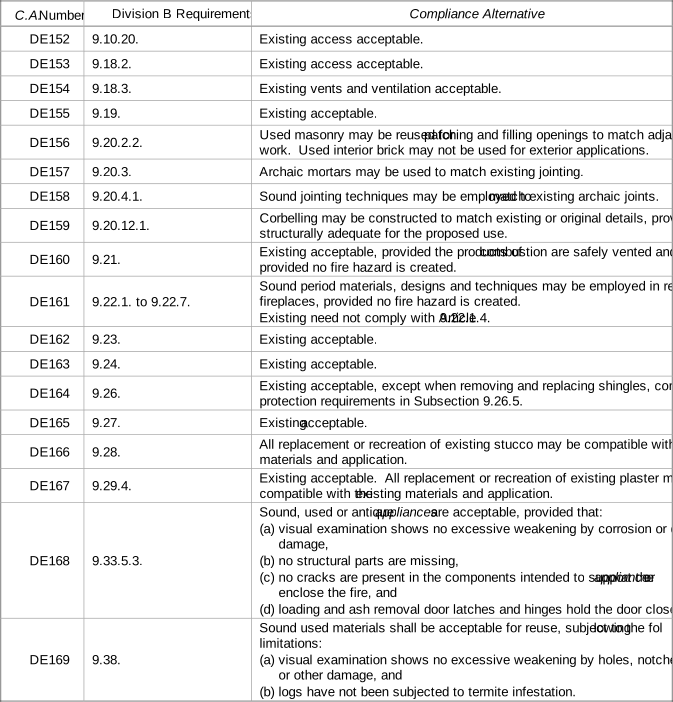
Table 11.5.1.1.-F
Compliance Alternatives for Industrial Occupancies
Forming Part of Article 11.5.1.1.
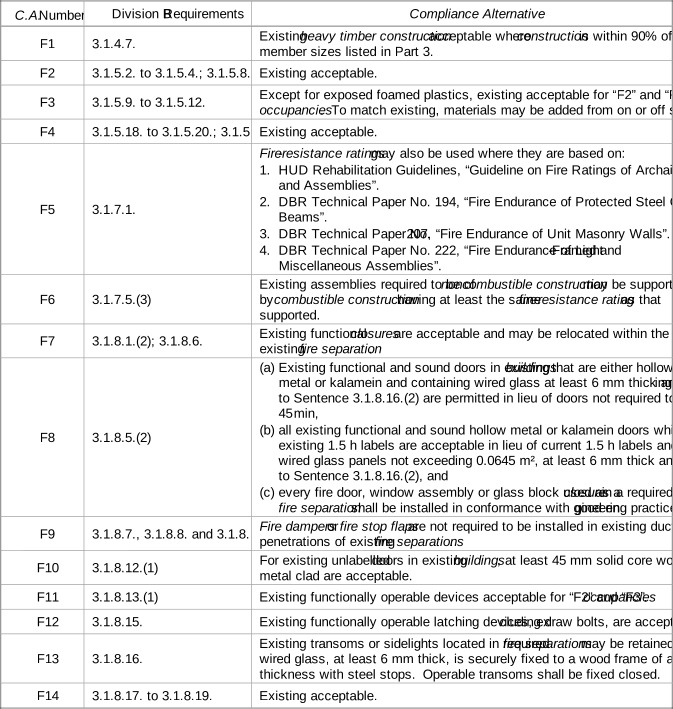
Table 11.5.1.1.-F
Compliance Alternatives for Industrial Occupancies
Forming Part of Article 11.5.1.1.
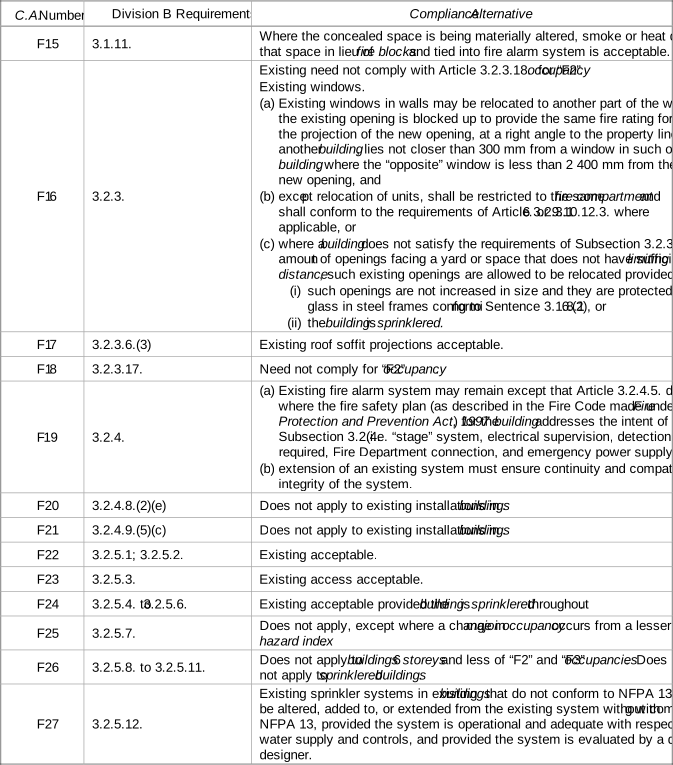
Table 11.5.1.1.-F
Compliance Alternatives for Industrial Occupancies
Forming Part of Article 11.5.1.1.
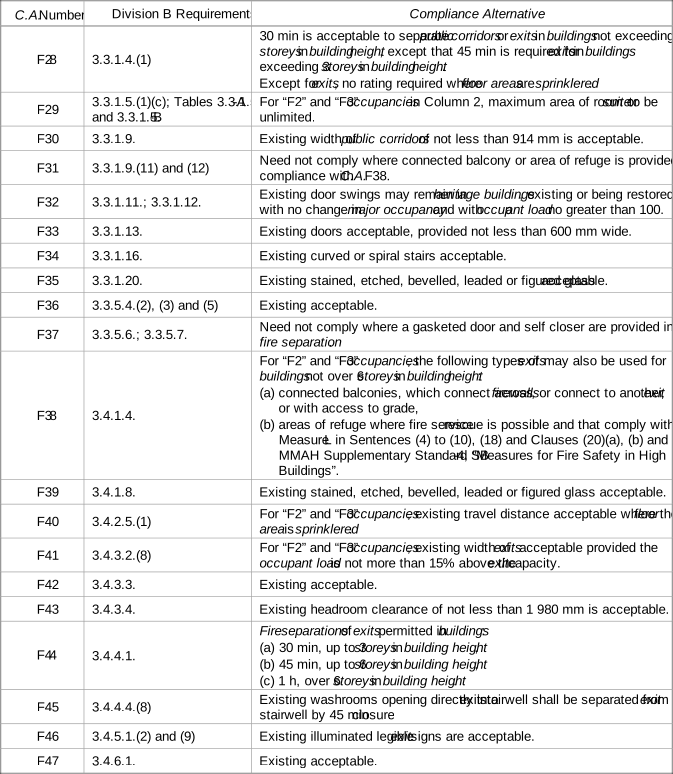
Table 11.5.1.1.-F
Compliance Alternatives for Industrial Occupancies
Forming Part of Article 11.5.1.1.
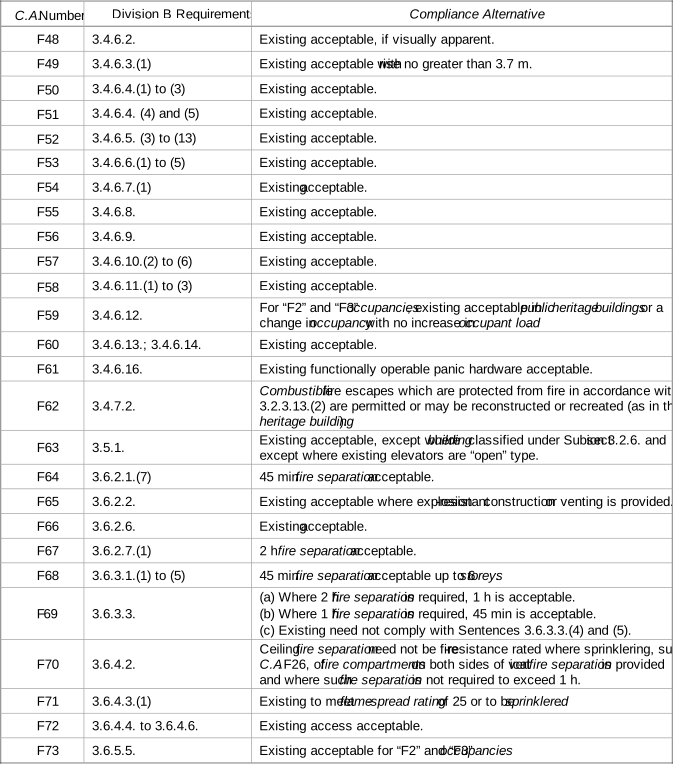
Table 11.5.1.1.-F
Compliance Alternatives for Industrial Occupancies
Forming Part of Article 11.5.1.1.
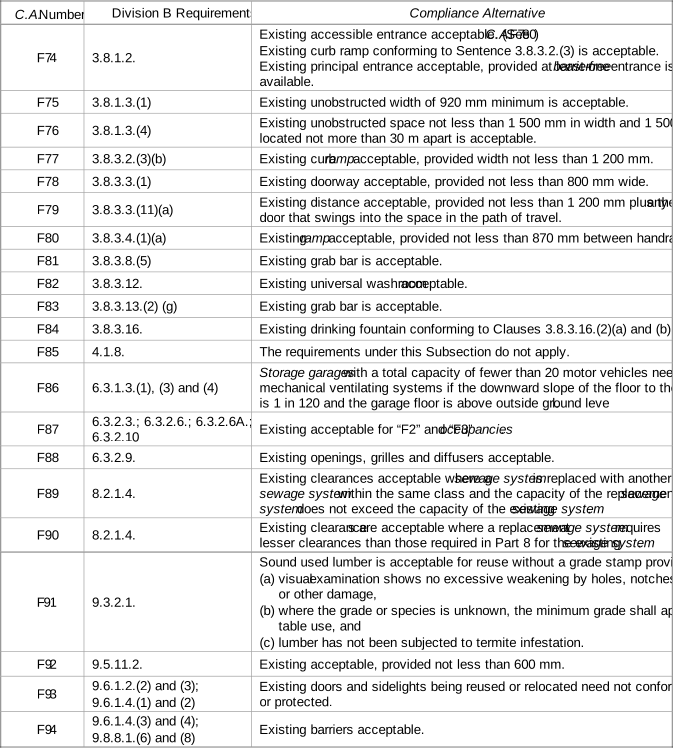
Table 11.5.1.1.-F
Compliance Alternatives for Industrial Occupancies
Forming Part of Article 11.5.1.1.
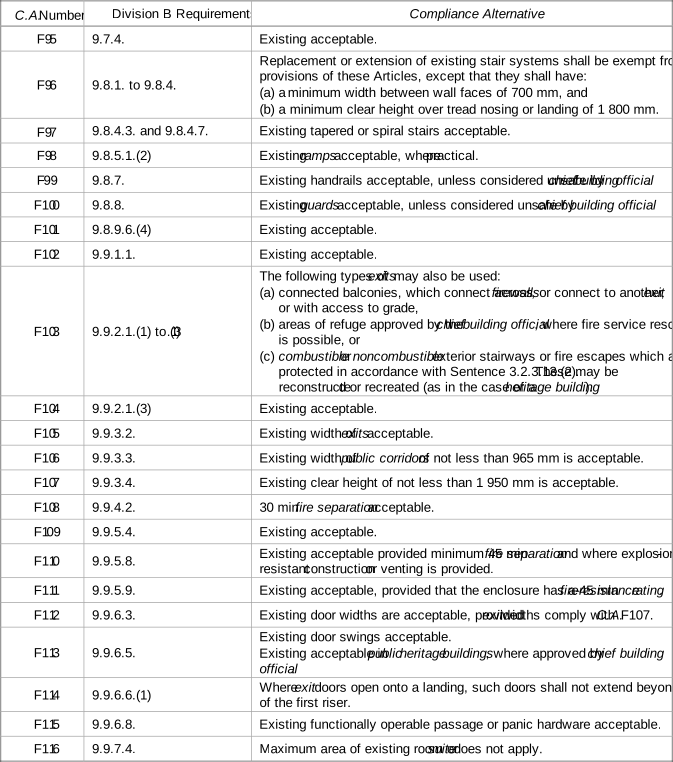
Table 11.5.1.1.-F
Compliance Alternatives for Industrial Occupancies
Forming Part of Article 11.5.1.1.
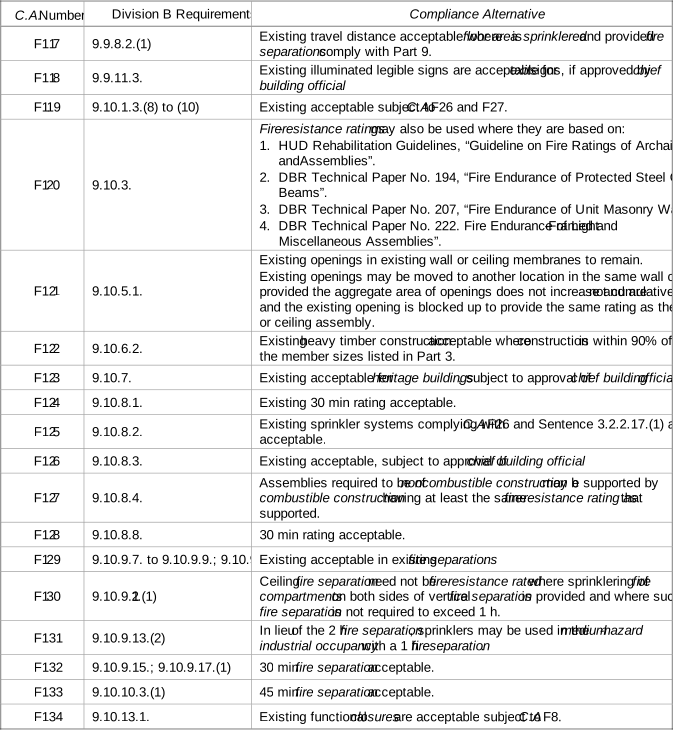
Table 11.5.1.1.-F
Compliance Alternatives for Industrial Occupancies
Forming Part of Article 11.5.1.1.
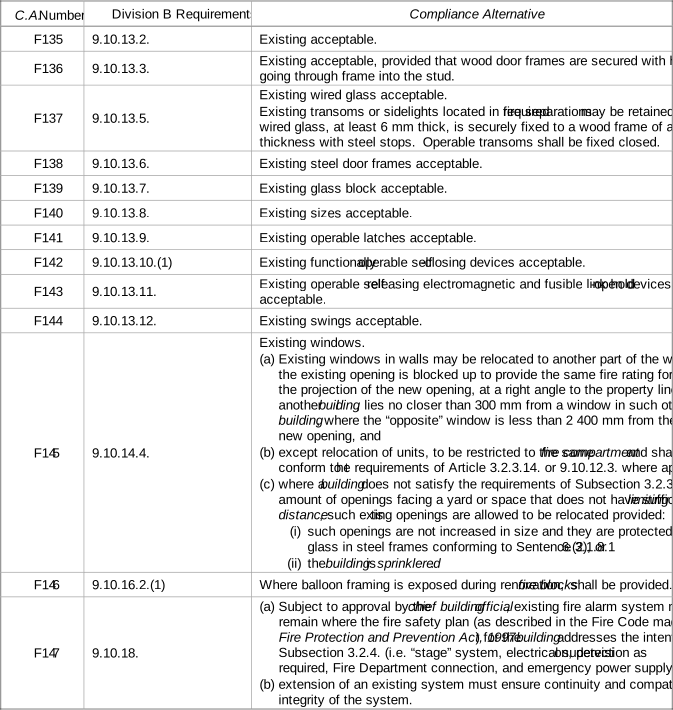
Table 11.5.1.1.-F
Compliance Alternatives for Industrial Occupancies
Forming Part of Article 11.5.1.1.